Tree Removal Gloucester: The Complete Guide to Safe, Responsible, and Professional Tree Management
Trees add beauty, shade, wildlife habitats, and environmental value to homes, gardens, and commercial landscapes. Mature trees can enhance property value, improve air quality, and create attractive outdoor spaces. However, there are situations where a tree becomes unsafe, diseased, structurally unstable, or unsuitable for its location. In these cases, professional removal becomes the safest and most practical solution.
Choosing experienced specialists for tree removal Gloucester ensures the work is completed safely, efficiently, and with minimal disruption to surrounding property. Tree removal is a highly skilled process involving careful planning, specialist equipment, risk assessments, and a thorough understanding of tree biology, structural stability, and local regulations.
Whether you need a dangerous tree removed after storm damage, a dead tree safely dismantled near buildings, or site clearance for a landscaping project, professional arborists help protect people, property, and the environment throughout every stage of the process.
What Is Tree Removal?
Tree removal is the controlled dismantling or felling of a tree when it can no longer be safely retained.
The process may involve:
- Tree inspection
- Risk assessment
- Branch removal
- Sectional dismantling
- Controlled felling
- Stump grinding
- Waste removal
- Site clearance
Professional removal methods depend on the tree’s size, condition, species, and surrounding environment.
When Should a Tree Be Removed?
Healthy trees should always be preserved where possible.
However, removal may become necessary for several reasons.
Common situations include:
- Dead trees
- Severe disease
- Storm damage
- Dangerous leaning
- Root instability
- Structural decay
- Construction projects
- Utility interference
- Property damage
- Safety concerns
Professional inspections help determine whether removal is genuinely required or whether corrective pruning could solve the problem.
Warning Signs That a Tree May Be Dangerous
Some hazards are immediately obvious, while others develop gradually.
Watch for:
- Large dead branches
- Deep trunk cracks
- Hollow sections
- Leaning after storms
- Fungal growth around the base
- Lifting roots
- Sudden leaf loss
- Extensive pest damage
Early intervention reduces the likelihood of emergency situations.
The Tree Removal Process
Every project begins with a detailed assessment.
A professional tree removal project usually follows these steps:
1. Site Inspection
The arborist evaluates:
- Tree health
- Structural condition
- Surrounding buildings
- Utility lines
- Access routes
- Wildlife considerations
2. Risk Assessment
Potential hazards are identified before work begins.
These may include:
- Falling branches
- Restricted access
- Nearby roads
- Public footpaths
- Neighbouring properties
- Electrical infrastructure
3. Controlled Dismantling
In confined spaces, trees are often removed section by section.
Specialist rigging equipment allows branches and trunk sections to be lowered safely without damaging nearby structures.
4. Final Clearance
After removal, contractors typically provide:
- Timber removal
- Branch chipping
- Site clean-up
- Stump grinding
- Waste recycling
The result is a clean, safe area ready for landscaping or replanting.
Tree Felling vs Tree Removal
Although often used interchangeably, these services differ.
| Tree Removal | Tree Felling |
| Sectional dismantling | Tree falls in one direction |
| Suitable near buildings | Requires open space |
| Greater control | Faster when conditions allow |
| Often involves climbing | Usually completed from ground level |
| Used in urban environments | Common in rural areas |
The appropriate technique depends on available space and safety considerations.
Why Professional Equipment Matters
Tree removal requires specialist machinery designed for safety and efficiency.
Common equipment includes:
- Chainsaws
- Climbing harnesses
- Rigging ropes
- Lowering devices
- Wood chippers
- Stump grinders
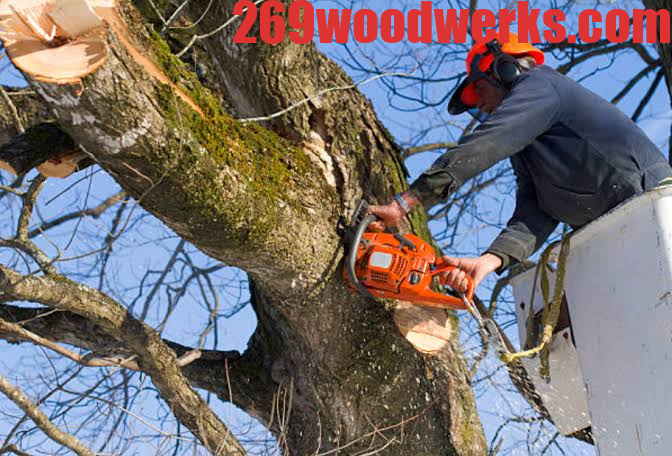
- MEWPs (Mobile Elevated Work Platforms)
- Protective clothing
- Helmets
- Eye and hearing protection
Using professional equipment reduces risks for both workers and property owners.
Stump Grinding After Tree Removal
Leaving a tree stump behind can create long-term problems.
Stump grinding offers several advantages:
- Improves appearance
- Prevents trip hazards
- Stops regrowth
- Discourages pests
- Creates usable garden space
Grinding removes the visible stump while allowing natural decomposition of underground roots.
Emergency Tree Removal
Severe weather can create dangerous situations requiring immediate action.
Emergency tree services commonly address:
- Storm-damaged trees
- Fallen trees
- Split trunks
- Hanging branches
- Trees blocking roads
- Trees threatening buildings
Rapid response helps minimise further damage and restore safety.
Tree Diseases That May Require Removal
Several diseases can weaken tree structure beyond safe recovery.
Examples include:
- Ash Dieback
- Dutch Elm Disease
- Honey Fungus
- Phytophthora root disease
- Bacterial canker
Early diagnosis may allow treatment, but advanced infections often require removal to protect surrounding trees.
Legal Considerations Before Removing Trees
Not every tree can be removed without permission.
Property owners should check whether the tree is:
- Protected by a Tree Preservation Order (TPO)
- Located within a Conservation Area
- Subject to planning conditions
- Home to protected wildlife species
Professional arborists can advise on local authority requirements before work begins.
Environmental Responsibility During Tree Removal
Responsible tree contractors aim to minimise environmental impact.
Good practices include:
- Recycling timber
- Producing wood chips for mulch
- Protecting surrounding vegetation
- Avoiding unnecessary removals
- Recommending replacement planting
- Preserving wildlife habitats where possible
Sustainable tree management balances safety with environmental stewardship.
Why Regular Tree Inspections Reduce Future Costs
Routine inspections often identify structural weaknesses before they become emergencies.
Preventative tree care may include:
- Crown thinning
- Deadwood removal
- Crown reduction
- Disease treatment
- Root inspections
- Soil management
These services frequently extend the lifespan of valuable trees while reducing the likelihood of expensive emergency work.
Choosing a Qualified Tree Contractor
When selecting a tree removal company, look for:
- Qualified arborists
- Public liability insurance
- Professional equipment
- Written quotations
- Transparent pricing
- Positive customer reviews
- Safe working practices
- Environmental responsibility
A reputable contractor explains every stage of the project before work begins.
Professional Tree Management Protects Property and People
Tree removal should never be viewed as simply cutting down a tree.
Every project requires careful planning, specialist knowledge, and a strong commitment to safety. Professional tree felling Gloucester services ensure dangerous or unsuitable trees are removed efficiently while protecting nearby structures, preserving healthy vegetation, and leaving outdoor spaces clean, safe, and ready for future use.
Frequently Asked Questions
When should a tree be removed instead of pruned?
Trees that are dead, structurally unstable, severely diseased, or creating significant safety risks may require removal rather than pruning.
Is tree removal dangerous?
Yes. Tree removal involves working at height, heavy timber, chainsaws, and unpredictable loads. It should always be carried out by trained professionals.
What happens to the wood after removal?
Many contractors recycle timber into firewood, wood chips, mulch, or other sustainable products.
Do I need permission to remove a tree?
Possibly. Trees protected by Tree Preservation Orders or located within Conservation Areas may require permission before work begins.
Should I remove the stump as well?
In most cases, stump grinding is recommended because it improves appearance, prevents regrowth, eliminates trip hazards, and frees up usable space.