The Rise of Custom Wood Decor: Why Personalized Pieces Are Replacing Mass‑Produced Furniture
In recent years, the world of home décor has undergone a notable shift. While mass-produced furniture has been the standard for decades, a growing number of homeowners and design enthusiasts are gravitating toward custom wood décor. Unlike standardized furniture, custom pieces reflect individual taste, craftsmanship, and personal meaning. But what factors are driving this shift, and why is personalized wood décor gaining such popularity?
What is Custom Wood Décor?
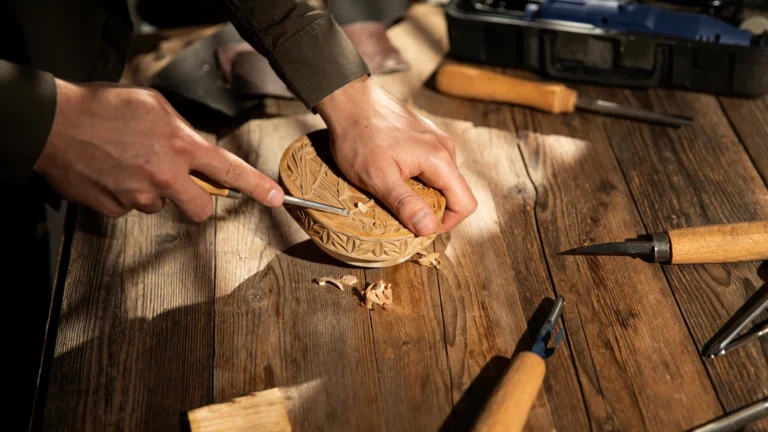
Custom wood décor refers to furniture or decorative pieces that are specifically crafted to meet a client’s preferences in terms of design, size, material, and finish. Each item is unique, often combining traditional woodworking techniques with modern innovations.
Unlike mass-produced furniture, which prioritizes efficiency and standardization, custom wood pieces focus on quality, individuality, and functionality. Homeowners have the opportunity to influence every aspect of the design, making the finished product a true reflection of their personal style.
Key Advantages of Personalized Wooden Pieces
Several factors make custom wood décor increasingly appealing compared to mass-produced alternatives:
- Uniqueness and Personal Expression
Personalized pieces allow homeowners to express individuality through design choices, wood selection, and finishing techniques. Each item is a unique creation rather than one of thousands produced identically. - Higher Quality and Durability
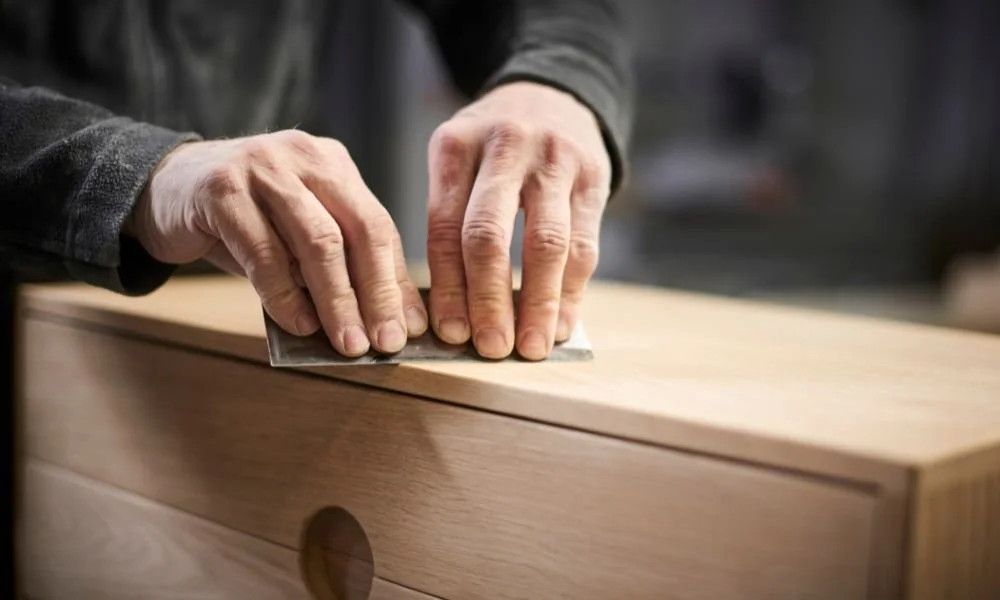
Custom pieces are usually made from solid wood or premium materials, ensuring longevity and durability. Skilled artisans often use joinery techniques and finishes that improve the structural integrity of each item. - Emotional and Sentimental Value
Custom furniture often carries personal or familial significance. For example, a handcrafted dining table for family gatherings or a wooden keepsake box engraved with meaningful designs creates a stronger emotional connection than generic furniture. - Sustainability and Environmental Responsibility
Many artisans prioritize eco-friendly practices, such as using reclaimed wood or sourcing timber from sustainable forests. This approach not only reduces environmental impact but also contributes to a more conscious and ethical home design.
Why Mass-Produced Furniture Falls Short
Mass-produced furniture remains popular due to convenience and affordability, but it comes with notable limitations:
- Generic Appearance: Standardized designs can make homes look similar, lacking character or personalization.
- Lower Lifespan: Many mass-produced pieces use particleboard, MDF, or low-grade plywood, which degrade faster over time.
- Limited Adaptability: Customization options are minimal, and it’s challenging to modify the pieces to suit irregular spaces or specific needs.
These shortcomings highlight why many consumers are choosing custom wood décor for both practical and aesthetic reasons. Similar to how homeowners seek ac repair Houston for dependable and personalized service, choosing custom furniture ensures longevity and tailored functionality.
Psychological and Emotional Appeal of Custom Décor
Research in consumer behavior indicates that people value items with personal significance more highly. Personalized wooden furniture taps into this by reflecting a homeowner’s taste, lifestyle, and identity. The emotional satisfaction of owning something uniquely designed is a major reason behind the growing interest in custom wood décor.
In addition, human affinity for natural materials like wood enhances the psychological appeal. Wood evokes warmth, comfort, and a connection to nature, which is difficult to replicate with synthetic, mass-produced materials. This is similar to how businesses rely on refrigeration services Houston to maintain essential operations reliably, valuing quality and long-term efficiency over quick fixes.
Modern Design Trends Favoring Customization
Interior design trends increasingly emphasize personalization and functional aesthetics. Minimalist spaces, open layouts, and multifunctional rooms require furniture that is adaptable, aesthetically harmonious, and tailored to individual spaces.
Custom wood décor addresses these needs by allowing homeowners to:
- Adjust dimensions to fit unique areas
- Select colors, finishes, and textures that complement existing décor
- Incorporate functional innovations such as modular storage or convertible furniture
These design capabilities give personalized furniture an edge over mass-produced alternatives.
Popular Types of Custom Wood Décor
To understand the versatility of personalized wood pieces, consider some common examples:
- Dining Tables and Chairs – Handcrafted dining furniture adds style and warmth to family spaces.
- Custom Shelving and Bookcases – Designed for optimal storage and display, often fitted to room dimensions.
- Wooden Wall Art and Panels – Carved or engraved pieces that add texture and personality to walls.
- Cabinets and Dressers – Made to match specific storage needs and room layouts.
- Outdoor Furniture – Benches, garden tables, and planters tailored to enhance outdoor living spaces.
Each category offers the opportunity to balance practicality, aesthetics, and craftsmanship
How Technology Supports Custom Wood Décor
While traditional handcrafting remains essential, technology has made custom wood décor more accessible. Innovations include:
- CNC Machines: Enable precise cuts and intricate patterns.
- 3D Modeling Software: Helps visualize designs before production.
- Laser Engraving: Adds detailed artwork and personalization.
- Online Customization Platforms: Allow customers to specify dimensions, finishes, and designs digitally.
These tools allow artisans to combine traditional skills with modern precision, delivering high-quality, customizable products efficiently.
Tips for Homeowners Considering Custom Wood Décor
For those exploring custom wooden furniture, consider these informational tips:
- Research Artisans and Brands: Look for experienced craftsmen with strong portfolios.
- Learn About Wood Types: Understand the properties of oak, maple, walnut, and other woods.
- Accurate Measurements: Ensure pieces fit the intended space perfectly.
- Maintenance Awareness: Some finishes require regular upkeep to preserve appearance and longevity.
- Prioritize Sustainability: Opt for responsibly sourced or reclaimed materials whenever possible.
Following these steps ensures homeowners make informed choices that combine beauty, durability, and functionality.
Conclusion: Why Personalized Furniture is the Future
The rise of custom wood décor is not just a fleeting trend—it reflects a larger shift toward personalization, sustainability, and emotional connection in home design. While mass-produced furniture offers convenience, it often lacks durability, uniqueness, and personal meaning.
Informationally, understanding this trend highlights how homeowners are seeking items that not only enhance living spaces but also reflect their values, taste, and lifestyle. Personalized wood pieces represent quality, individuality, and thoughtful design, making them increasingly preferred over standard furniture options. Just as homeowners prioritize reliable ac repair Houston or trusted refrigeration services Houston, investing in custom furniture ensures long-term satisfaction and functional beauty.
Disclaimer
The information in this article is provided for general informational purposes only. While efforts have been made to ensure accuracy, the content should not be considered professional advice related to interior design, woodworking, or furniture purchasing. Readers should conduct their own research and consult qualified professionals before making decisions. Any service examples mentioned are for illustration only and do not represent endorsements. The author and publisher are not responsible for any decisions made based on this information.