Understanding How Sand Affects Snow and Its Role in Winter Surface Management
When winter settles in Calgary, driveways, sidewalks, and pathways often end up covered with thick layers of frozen precipitation. Many homeowners wonder if applying coarse materials can help improve traction or even assist in breaking up icy patches. It’s not always clear how effective these methods are, or when they should be used. Some people spread fine grit or crushed rock across slippery areas, hoping it will make walking safer and prevent accidents. The particles don’t actually melt the frozen layer, but they can give tires and shoes better grip. You might notice that over time, repeated use helps reduce compacted ice, though it’s a slow process and depends on temperature and the type of surface underneath. Practical experience shows that using abrasive substances can complement other winter maintenance steps.
Clearing larger accumulations first, then applying traction materials, tends to work better than simply scattering it on untouched ice. You may also find that the effectiveness varies after heavy snowfalls or when the frozen layer is particularly dense, so a bit of trial and error is usually involved. Understanding the limits and proper application of these materials helps you maintain safer paths around your property. You might consider combining this approach with shoveling, heating cables, or other techniques to keep areas accessible and reduce the risk of slips and falls during the cold months.
Understanding the Role of Grit in Winter Surface Safety
Applying coarse material on icy or frozen surfaces does not actually melt the frozen layer. Its primary function is to provide traction, which helps prevent slips and falls. You might notice that areas treated with this material feel less slippery, even though the frozen layer is still there. For pedestrians and vehicles alike, this can make a tangible difference in daily safety. Different types of granular substances can be used for this purpose, each with distinct characteristics. Some are finer and spread more easily, while others are coarser and remain on the surface longer. The choice often depends on local availability, cost, and how quickly the frozen surface tends to compact or harden.
Practical Use Tips
Here are a few points to keep in mind if you plan to use this approach on your driveway or walkway:
- Apply a thin, even layer rather than dumping large amounts. Too much can be wasteful and track into your home.
- Reapply after heavy traffic or fresh accumulation to maintain traction.
- Combine with careful shoveling or scraping for better results, especially on slopes.
- Store material in a dry container to prevent clumping during the winter.
Safety and Environmental Notes
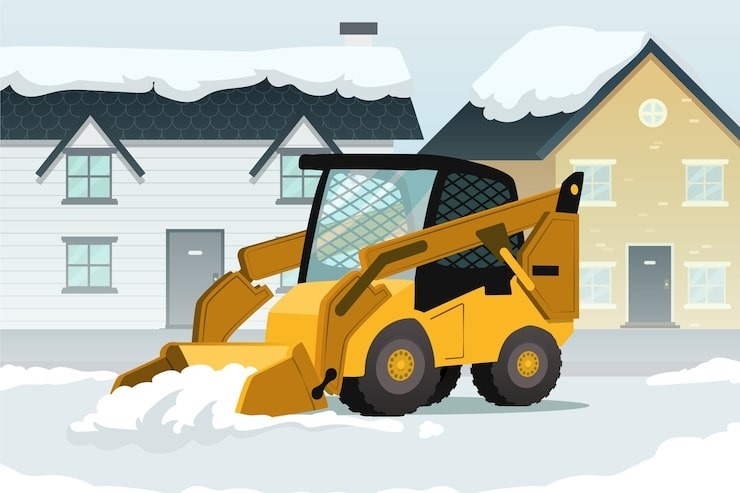
While useful, granular surfaces can contribute to debris buildup and require clean-up once temperatures rise. Be mindful of nearby plants or drainage systems, as some materials can affect soil or water flow. Observing how your specific surfaces react will help you adjust the application for maximum safety without creating new maintenance problems.
How Grit Improves Traction on Snow-Covered Surfaces
Applying coarse material to icy or frozen pathways creates friction that tires can grip. It doesn’t melt the frozen layer, but it gives vehicles and pedestrians a better surface to hold onto. You’ll notice that even a thin spread can make walking or driving less slippery, especially on inclines or corners where traction matters most. There are a few ways this works in practice:
- Loose particles embed slightly into the ice, providing small anchor points for shoe soles or tires.
- The uneven texture interrupts the smooth surface, which reduces slipping.
- Areas with repeated foot or tire traffic retain the material longer, maintaining grip over time.
Keep in mind that the effect is temporary. After heavy use or a new thaw and freeze cycle, the material may need reapplication. Some people underestimate how quickly the protective layer diminishes, so checking pathways regularly is helpful.
Practical Tips for Better Grip
Spread a thin, even layer rather than dumping large amounts. Too much can shift underfoot and reduce stability. Focus on high-traffic areas and slopes first. You might also combine this with careful shoveling to expose the surface underneath, allowing the material to work more effectively.
Observations from Real Experience
Many homeowners in Calgary report that a modest application in front of steps and driveways noticeably reduces slips. You’ll find that small adjustments, like targeting corners and intersections, often matter more than covering the entire surface. It’s a subtle difference, but it can make daily movement safer during icy periods.
Limitations of Using Grit for Melting or Clearing Ice
While spreading grit on icy surfaces can improve footing, it doesn’t actually dissolve frozen layers. You might notice some traction, yes, but patches can remain slick, especially if temperatures drop below -10°C. Relying solely on grit could leave certain areas hazardous, particularly around corners or shaded spots. Another issue is coverage. A thin layer may be quickly worn away by traffic, leaving surfaces exposed again. Even generous application may shift or be displaced by wind and vehicles.
You’ll often find that repeated application is needed, which can be messy and time-consuming. Environmental and maintenance concerns also come into play. Particles can accumulate along edges, gutters, and drains, requiring cleanup in the spring. Some types may also cause minor wear on pavement over time, so frequent use can lead to surface damage. Finally, grit doesn’t address heavy accumulation. Thick ice or compacted frozen precipitation often requires shoveling or mechanical clearing. You might get partial improvement, but relying on it alone rarely keeps walkways or driveways completely safe.
Best Practices for Applying Grit in Winter Conditions
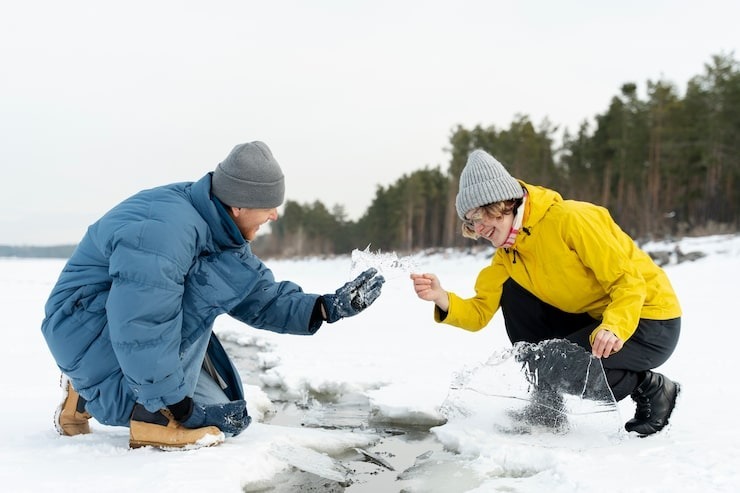
Using coarse material for icy pathways can help improve safety, but how you apply it makes a big difference. Sprinkling it evenly is better than dumping large piles in one spot. Uneven layers can create slippery patches, which can be worse than no coverage at all. Timing matters too. Applying a thin layer before a freeze can prevent surfaces from becoming dangerously slick. If ice or compacted flakes are already present, you might need to loosen them slightly before spreading.
- Walk the edges first: focus on high-traffic areas like steps, entrances, and driveways.
- Use measured amounts: too much creates waste and clean-up issues, too little may not help traction.
- Spread consistently: aim for an even coverage rather than concentrated piles.
- Reapply after heavy use or additional precipitation, as the material can get compacted or covered quickly.
Keep in mind the type of surface matters. Gravel or rough asphalt may hold the material better, while smooth concrete can become slick if the grit isn’t pressed down slightly. A light tamp with a shovel or broom can improve contact with the surface. Storage and cleanup are part of the routine. Keep your winter grit dry and accessible. After the thaw, sweep up excess to prevent buildup that could affect landscaping or drainage.
Practical Tips from Experience
- Start small: it’s easier to add more if needed than to spread too much at once.
- Watch traffic patterns: material is most effective where people walk or vehicles drive.
- Observe weather trends: anticipate freezing cycles and adjust applications accordingly.
- Experiment a bit: different grit sizes work better on different surfaces, so test on a small patch first.
Contact “PROPERTY WERKS” For More Information:
Address
1017 1 Ave NE, Calgary, AB T2E 0C9
Phone
403 239-1269
Hours of operation
Weeksdays 9 a.m.–5 p.m.
Website
Map
Faqs:
Can spreading coarse material actually melt icy layers on roads?
Applying coarse particles does not chemically dissolve ice. Its main benefit is creating friction between footwear, tires, and the frozen surface, which helps prevent slips. It may slightly aid melting when mixed with other de-icing agents, but by itself, its effect on temperature or ice breakdown is minimal.
Is it safe to use this method on residential driveways and sidewalks?
Yes, it can improve traction on driveways and walkways. However, repeated use may lead to accumulation of debris that requires cleaning. It’s generally safe for concrete and asphalt, but care should be taken to sweep excess material to prevent clogging drains or damaging landscaping.
How often should I apply grit during a long winter storm?
Frequency depends on conditions. After initial application, monitor areas for ice reformation or slippery patches. Reapply whenever traction diminishes or after plowing removes the layer. Avoid over-application, as large amounts can become messy and difficult to remove later.
Will using grit damage my lawn or garden edges?
Some types of coarse material, especially those with sharp or chemical-treated particles, can harm grass or plants if heavily applied near edges. To minimize impact, keep material on paved areas and avoid letting it accumulate on soft soil or near sensitive plants.
Can spreading sand on icy surfaces make them safer to walk on?
Applying coarse material on frozen paths increases grip underfoot, reducing the likelihood of slips and falls. While it does not melt ice, it provides friction that helps shoes or tires maintain contact with the surface, making movement more secure during cold conditions.
Will using sand help clear thick ice or compacted snow from driveways?
Covering compacted ice or dense snow with granular grit does not eliminate it. The material adds traction but does not alter the ice itself. For thick layers, mechanical removal like shoveling or plowing is necessary, and grit is best used afterward to improve stability while walking or driving.