How to Choose the Best Electric Dirt Bike
Electric dirt bikes have moved from being a niche curiosity to a serious option for off road riding. Advances in battery technology and electric motors have made these bikes quieter, simpler to maintain, and capable of handling a wide range of trail conditions. As more models appear on the market, choosing the right one can feel less straightforward than it first seems. Understanding the key characteristics that influence performance is the easiest way to narrow the options and identify a bike that fits real riding needs.
What Really Matters When Choosing an Electric Dirt Bike
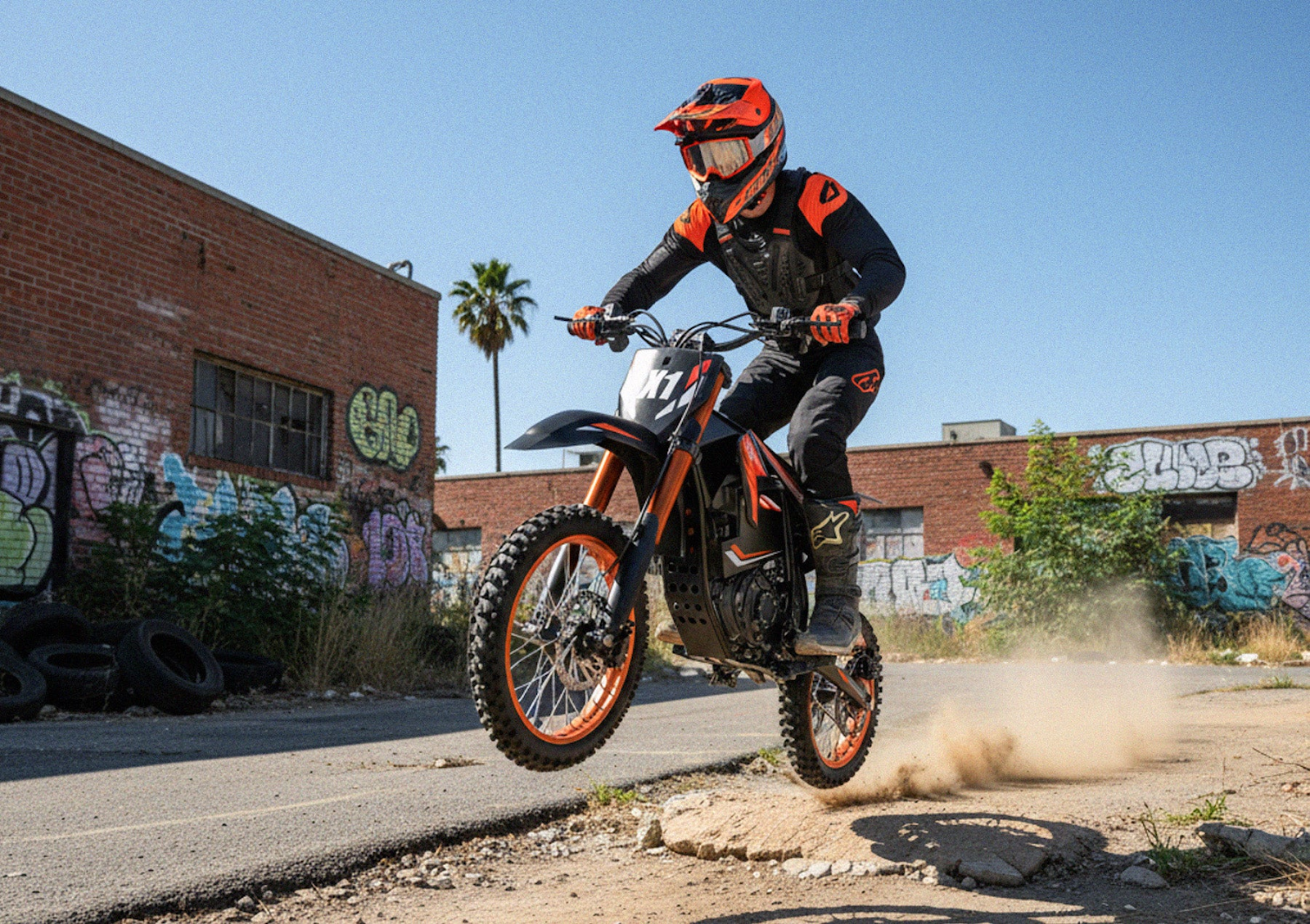
At first glance, many electric dirt bikes look similar. Most share the same basic layout with a motor, battery pack, frame, and suspension system. The real difference appears once the bike is used on dirt trails or uneven terrain. Power output affects how easily the bike accelerates and climbs hills. Battery capacity determines how long a ride can last before recharging becomes necessary. Weight and size influence how stable and manageable the bike feels during technical riding. Suspension quality determines how smoothly the bike handles rocks, roots, and bumps.
Looking at these elements together provides a clearer understanding of how a bike will actually perform. A model with balanced characteristics often delivers a better riding experience than one that focuses only on a single impressive specification.
Power and Acceleration on an Electric Dirt Bike
Electric motors produce torque instantly, which is why electric dirt bikes often feel responsive even at lower power levels. In many recreational models, motor output commonly falls between about 1000 watts and 3000 watts.
Bikes near the lower end of this range tend to provide smoother acceleration and easier throttle control. This makes them suitable for relaxed trail riding or riders who prefer predictable handling. Models with higher output within this range usually provide stronger acceleration and improved climbing ability when the terrain becomes steeper.
While more power can increase performance in certain situations, extremely high output can also make a bike more difficult to control on loose ground. For many riders, a moderate and controllable power level creates a more comfortable and enjoyable riding experience.
Battery Range in Real Riding Conditions
Battery capacity determines how long an electric dirt bike can remain on the trail before it needs to be recharged. Many electric dirt bikes use battery systems in the range of 48 volts to 72 volts depending on the design and intended performance level.
In typical off road riding conditions, many electric dirt bikes can travel approximately 40 to 80 kilometers on a full charge. Actual distance varies depending on terrain, riding speed, rider weight, and how frequently the throttle is used.
Steep climbs and higher speeds usually increase energy consumption, while slower technical riding tends to use power more gradually. Charging time also varies depending on battery size and charger type. For many models, a full recharge often takes between two and six hours.
When considering battery capacity, the most useful question is whether the battery can support the length of a typical ride rather than focusing only on the largest possible range.
Bike Size and Weight on the Trail
The physical size of the bike and its overall weight strongly influence how easy it feels to control. Many electric dirt bikes designed for off road use weigh roughly between 25 kilograms and 60 kilograms depending on battery size and motor output.
Lighter bikes are often easier to maneuver on narrow trails or technical sections where frequent turns are required. They also tend to reduce rider fatigue during longer rides because less effort is needed to maintain balance and control.
Seat height also plays an important role in comfort and confidence. Many electric dirt bikes designed for off road riding have seat heights between about 700 millimeters and 900 millimeters. A seat height within this range generally allows riders to maintain better balance when stopping or moving slowly over uneven terrain.
Choosing a bike that feels proportionate to the rider’s size can significantly improve overall control.
Suspension and Off Road Performance
Suspension allows the bike to absorb impacts from uneven ground while maintaining traction. Off road riding often involves rocks, roots, loose soil, and sudden elevation changes, all of which create repeated shocks to the chassis.
Many electric dirt bikes designed for trail riding provide suspension travel somewhere between 120 millimeters and 200 millimeters. Shorter suspension travel may work well on smoother dirt paths, while longer travel can improve stability on rougher terrain where impacts are more frequent.
Effective suspension does more than improve comfort. It helps the tires remain in contact with the ground, which improves braking, cornering, and overall control when riding over challenging surfaces.
Comparing Electric Dirt Bikes in a Practical Way
When comparing different electric dirt bikes, it is helpful to look at how their main characteristics work together rather than examining each specification separately.
A well balanced electric dirt bike usually combines several qualities. It provides enough motor power for the intended terrain, sufficient battery capacity for a typical ride, a manageable weight that allows stable handling, and suspension capable of absorbing common trail impacts.
Some newer electric dirt bikes, including models developed by Qronge, increasingly emphasize this kind of balanced design by focusing on controllable power delivery, practical range, and stable off road handling rather than extreme headline specifications.
Evaluating these elements together gives a more accurate picture of how the bike will perform in real riding situations.
Choosing the Electric Dirt Bike That Fits the Way You Ride
The most suitable electric dirt bike is usually the one that matches the type of riding it will experience most often. Riders who prefer lighter trail riding may benefit from moderate power, manageable weight, and enough battery capacity for shorter sessions. More demanding terrain can justify stronger motors, larger batteries, and more capable suspension systems.
When power, range, size, and suspension all align with real riding conditions, selecting the right electric dirt bike becomes far less complicated. Instead of focusing on extreme specifications, the goal is to find a bike that remains stable, comfortable, and easy to control throughout the ride.