Asbestlint: Hidden Dangers, Detection, and Safe Removal Explained
Asbestlint is a term many people are unfamiliar with, yet it represents one of the most serious hidden threats to health and safety in older homes and workplaces. While asbestos has long been known for its dangers, asbestlint—a fibrous asbestos-based insulation material—continues to pose risks decades after its widespread use. It was once praised for its durability and fire-resistant qualities, but over time, its devastating health implications became undeniable.
Today, asbestlint remains present in countless structures worldwide, silently endangering people who may not even know it exists. In this comprehensive guide, we’ll explore everything you need to know about asbestlint—its origins, risks, detection, management, and safe removal. Whether you’re a homeowner, contractor, or building manager, understanding asbestlint is essential for ensuring a healthy environment and compliance with safety standards.
What Is Asbestlint?
Asbestlint is a form of asbestos-containing material (ACM), primarily composed of woven or fibrous asbestos strands. It was historically used as a flexible insulation tape or lining designed to withstand extreme heat. Its main applications included pipe sealing, fireproof wrapping, and insulating boilers or ducts.
The name asbestlint originates from its texture—it often resembles lint or fine fibrous strands. Although its effectiveness as a heat insulator made it popular in construction and industrial applications throughout the 20th century, its hidden danger lies in the microscopic fibres it releases when disturbed.
Common Uses and Where You’ll Find Asbestlint
Before strict asbestos regulations were enforced, asbestlint was used extensively in various sectors due to its fire-resistant and insulating properties.
- Pipe insulation and joints – especially around boilers and heating systems.
- Roofing and ceiling materials – often hidden beneath layers of newer construction.
- Floor tiles and adhesives – common in mid-20th-century homes.
- Textured coatings and wall finishes – used for decorative or protective purposes.
- Industrial machinery – especially in old manufacturing facilities.
- Automotive components – such as brake pads and clutch plates in vintage vehicles.
Buildings constructed before the late 1980s are the most likely to contain asbestlint. Because the material often blends into its surroundings, it may go unnoticed for decades unless specifically tested.
Health Risks Associated with Asbestlint Exposure
Exposure to asbestlint can lead to serious, life-threatening illnesses. The primary danger comes from inhaling airborne asbestos fibres, which the body cannot expel. Over time, these fibres cause inflammation, scarring, and genetic damage to lung tissue.
- Asbestosis: A chronic lung condition caused by fibrosis (scarring), leading to breathlessness, chest tightness, and persistent coughing.
- Mesothelioma: A rare and aggressive cancer affecting the lining of the lungs or abdomen, often developing decades after exposure.
- Lung Cancer: Prolonged exposure greatly increases the risk, especially among smokers.
- Pleural Plaques:Thickened patches on the lining of the lungs that can impair breathing.
Symptoms often appear 20 to 40 years after exposure, which is why prevention and early detection are crucial. Even minimal contact can cause long-term harm, making asbestlint one of the most dangerous materials still lingering in older buildings.
How to Identify Asbestlint in Your Home or Workplace
Identifying asbestlint visually can be challenging, as it often resembles harmless fibrous insulation or fabric tape.
- Frayed or fibrous wrapping on pipes or heating systems.
- Dusty, lint-like residue around ducts or boilers.
- Discoloured, brittle insulation that crumbles easily.
- Ceiling textures or coatings applied before the 1990s.
If your property was built before 1990, there’s a reasonable chance it could contain asbestlint or other asbestos materials.
Do not attempt to handle or test the material yourself.
As soon as asbestos fibres are disturbed, they can spread quickly and become a serious inhalation hazard. Only certified asbestos professionals have the correct equipment and expertise to collect samples safely and send them for laboratory analysis.
Steps to Take If You Suspect Asbestlint
- Avoid Disturbing the Area: Do not touch or move the suspected material.
- Restrict Access: Prevent anyone from entering or cleaning the area.
- Contact a Certified Asbestos Inspector: They can safely identify and assess the material.
- Document the Situation: Take photos and note the location without disturbing it.
- Follow Expert Recommendations: Depending on the results, removal or encapsulation may be necessary.
Safe Handling and Removal of Asbestlint
Handling or removing asbestlint requires strict safety procedures. DIY removal is not recommended and, in many countries, is illegal due to the risks involved.
Professional asbestos removal specialists follow a controlled process to eliminate contamination:
- Site Assessment: Identifying the scope and level of asbestos presence.
- Containment: Sealing off the affected area with negative pressure systems.
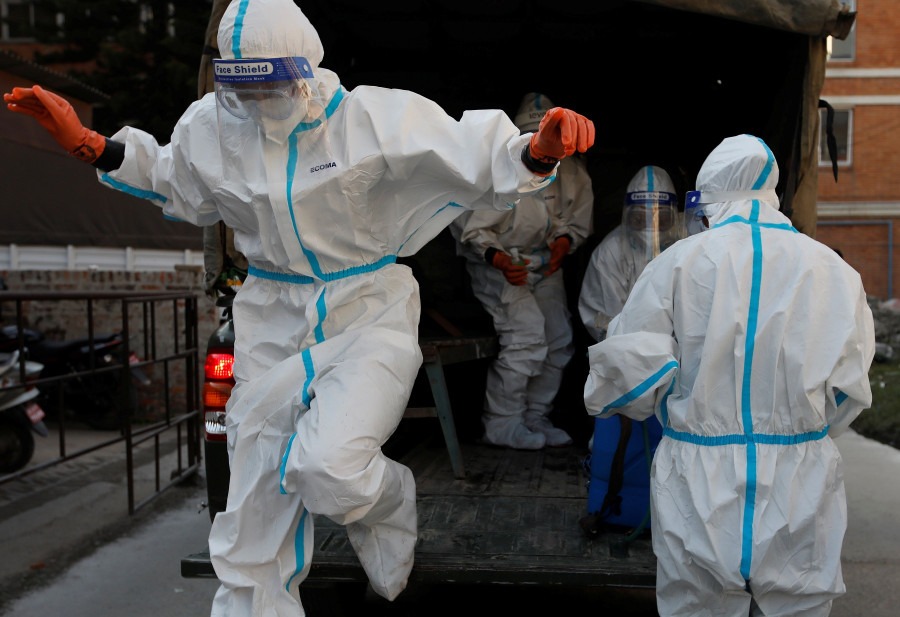
- Personal Protective Equipment (PPE): Workers wear respirators and protective suits.
- Wet Removal Techniques: To prevent fibres from becoming airborne.
- Decontamination: Using HEPA-filtered vacuums and industrial cleaning.
- Disposal: Transporting waste to approved hazardous waste facilities.
Attempting to remove asbestlint without proper equipment can spread fibres throughout a property, putting everyone at risk.
Legal Regulations and Safety Standards
Asbestlint is strictly regulated under asbestos control laws across the world. In the United Kingdom, the Control of Asbestos Regulations 2012 requires:
- Licensed contractors for asbestos removal.
- Mandatory risk assessments before any renovation or demolition.
- Safe disposal in approved facilities.
- Worker protection and exposure monitoring.
Employers must also ensure all staff working near asbestos are trained in safety protocols. Non-compliance can lead to severe legal penalties, including heavy fines and imprisonment. Similar laws exist globally, under frameworks such as OSHA in the United States and EU asbestos directives in Europe.
Preventing Future Exposure to Asbestlint
Prevention begins with awareness and regular maintenance.
- Schedule professional asbestos inspections for buildings built before 1990.
- Avoid disturbing old insulation or flooring.
- Replace asbestos materials with modern, non-toxic alternatives.
- Educate family members, tenants, or workers about asbestos risks.
- Keep maintenance records and inspection certificates for reference.
Modern materials like fibreglass, mineral wool, and ceramic insulation have completely replaced the need for asbestos-based products, offering safe and efficient alternatives.
Modern Innovations in Asbestos Management
Modern technology has transformed the way asbestos is detected and managed. Today, specialists use advanced tools such as AI-based air quality monitors, real-time fibre detectors, and thermal imaging to identify potential contamination.
Another innovation is encapsulation, a process where asbestlint is sealed with a specialised coating to prevent fibres from escaping. This method is often used when removal would be too disruptive or costly, allowing safe containment without spreading harmful particles.
Training and certification programmes for asbestos professionals have also improved significantly, ensuring that modern removal standards are far safer and more efficient than ever before.
The Importance of Asbestlint Awareness
Public awareness is one of the most effective defences against asbestos-related hazards. Many individuals still live or work in environments containing hidden asbestos materials. By understanding what asbestlint is and how to recognise it, people can take proactive steps before exposure occurs.
Education campaigns, workplace training, and mandatory inspections have already reduced asbestos-related illnesses in recent decades—but continued vigilance is essential. Awareness empowers people to protect themselves, their families, and their communities.
Conclusion
Asbestlint might seem harmless at first glance, but its dangers are profound and long-lasting. The microscopic fibres it releases can cause devastating illnesses, often years after initial exposure. Recognising, managing, and safely removing this hazardous material is not only a matter of compliance—it’s a matter of protecting human lives.
Whether you’re renovating an older property or managing a workplace, never underestimate the risks of asbestos. Always rely on licensed professionals for testing and removal, follow safety regulations, and maintain regular inspections.
Awareness, education, and prevention are the most powerful tools in protecting yourself from asbestlint. By acting responsibly and spreading knowledge, we can move closer to a safer, asbestos-free future.
Disclaimer
This article is intended for general informational purposes only and should not be considered professional advice, diagnosis, or instruction. Asbestos and asbestos-containing materials, including asbestlint, are hazardous substances that require proper handling by licensed professionals. Do not attempt to inspect, remove, or disturb suspected asbestos materials on your own. Regulations, risks, and safety procedures may vary by location, and readers should consult certified asbestos specialists and relevant local authorities for accurate guidance. The author and publisher are not responsible for any actions taken based on the information provided in this content.